Italian Marble for Architects: Guide to Selection and Excellence in Sourcing 2026
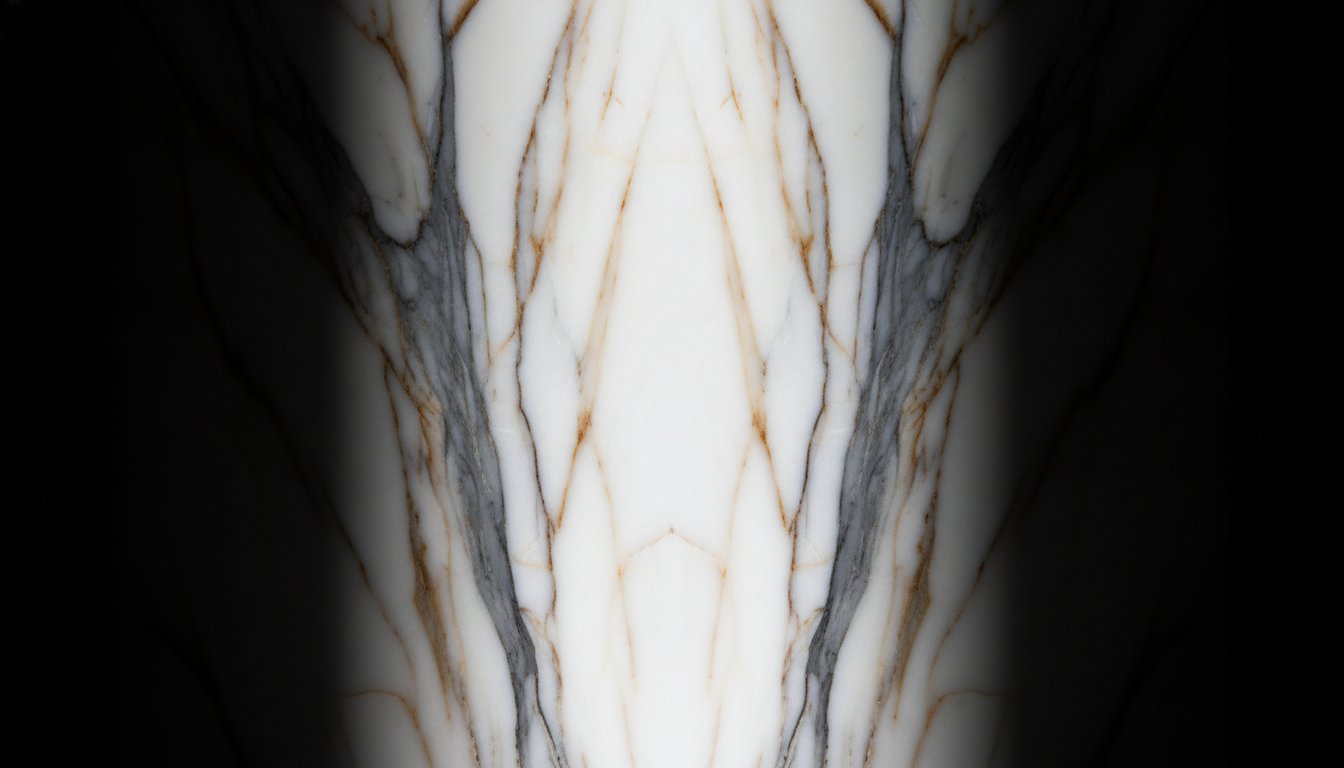
What would happen if your most ambitious architectural vision were compromised by veining that does not match the approved sample? For a designer, the discrepancy between aesthetic expectations and the reality of the slab on site represents a tangible risk that can undermine the entire prestige of a project. We know that selecting the right Italian marble for architects is not simply a product purchase, but a technical curation process that requires in-depth knowledge of the material and its extraction dynamics.
This technical and creative guide was created to support architects and designers in achieving excellence in selection for 2026, transforming the complexities of sourcing into a competitive advantage for your studio. We will guide you through the essential criteria for ensuring vein continuity and the long-term durability of the material. You will discover how to optimize the yield of Calacatta and Carrara slabs, the secrets to achieving an impeccable bookmatched effect, and the best logistics strategies for managing large international projects without unexpected issues or supply delays.
Key Points
- Understand technical classifications, such as the C and CD grades of Bianco Carrara, to ensure aesthetic consistency and quality in every supply.
- Learn the best sourcing strategies for Italian marble for architects, moving from the purchase of a simple product to technical curation of excellence.
- Master the use of bookmatching and the analysis of vein movement to create surfaces with an impeccable dramatic impact.
- Optimize material yield and reduce waste through precise planning that begins with block selection at the quarry.
- Identify the most suitable varieties among Calacatta, Carrara, and Arabescato according to the project’s specific texture, durability, and prestige requirements.
Table of Contents
- The Impact of Italian Marble on Luxury Architecture
- Technical Specification Criteria: Grades, Veining, and Selection
- Variety Analysis: Calacatta, Carrara, and Arabescato
- Project Management: From Quarry to Slab
- MARMISAVAS: Strategic Partner for Architecture
The Impact of Italian Marble on Luxury Architecture
Italian marble represents the pinnacle of global architectural aesthetics. It is not merely a building material, but an element that defines the identity of a luxury project. While synthetic imitations attempt to replicate its outward appearance, natural stone offers visual depth and a soul that polymers cannot match. Authenticity is revealed in every unique vein, making each slab an unrepeatable work of art. For studios pursuing excellence, the use of Italian marble for architects guarantees higher property value and established international prestige.
Visual consistency in large contract spaces depends entirely on the careful selection of the original block. An experienced architect knows that a small sample cannot represent the chromatic complexity of an entire supply. Carrara marble, for example, has been celebrated for centuries for its ability to reflect light, creating airy, well-defined volumes. Choosing the right white marble makes it possible to work with natural brightness, transforming walls and floors into dynamic surfaces that change tone throughout the day.
Aesthetics and Functionality: Beyond the Surface
Marble is often described as a living stone. Unlike artificial materials that remain static, natural stone interacts with its environment and matures gracefully. Its physical properties, such as density and porosity, influence design choices not only through appearance but also through tactile and thermal response. In contemporary minimalist styles, marble serves as an organic focal point, balancing rigorous lines with the softness of its natural nuances. It is this versatility that makes Italian marble for architects the preferred choice for those wishing to combine modernity and tradition. To complete the overall vision with designer furniture and rugs, visit Attica House to discover exclusive collections.
Sustainability and Durability of Natural Material
Choosing marble means investing in a material with a life cycle that spans generations. It is an inherently sustainable choice for several reasons:
- Low chemical impact: Unlike synthetic materials, marble does not release volatile organic compounds (VOCs), ensuring better indoor air quality.
- Recyclability: Natural stone is fully recyclable and can be reused in new forms, such as aggregates or marble tiles, at the end of its primary life cycle.
- Permanence: Its durability drastically reduces the need for frequent replacement, lowering the building’s overall environmental footprint.
Periodic professional maintenance preserves the original finish, protecting the value of the architectural investment for decades. The beauty of marble does not fade; it develops a patina that tells the story of the building. Similarly, the pursuit of an aesthetic rich in historical meaning guides businesses such as Slapta meilė, which offers gifts and experiences inspired by famous real-life love stories.
Technical Specification Criteria: Grades, Veining, and Selection
The technical specification of marble requires precision that goes beyond simply choosing a color. When discussing Italian marble for architects, understanding commercial classifications is the only way to align the budget with aesthetic expectations. Not all white marbles are the same. A slab may appear perfect in a photograph but reveal structural or chromatic variations that only an expert eye can anticipate. Professional selection involves analyzing vein movement and assessing its density and directionality to ensure that the final layout respects the fluidity of the original design.
The technical inspection must identify any natural microfissures, often called taroli, and tonal variations that could compromise visual uniformity. Although digital selection through HD photographs has become a standard because of its speed, physical sampling remains a crucial step for high-profile projects. Touching the surface and observing the material’s reaction to natural light make it possible to confirm the final choice with absolute certainty. To explore these technical aspects further, you can request a specific consultation from our sourcing experts.
Classification of Bianco Carrara Marble
Carrara marble is mainly divided into C and CD grades. Grade C features a pure, luminous white background with fine gray veining. By contrast, grade CD has a background that shifts toward grayer and more saturated tones. This chromatic difference directly influences the material’s value. For intimate spaces such as master bathrooms, grade C is the preferred choice because of its ethereal elegance. For extensive flooring in common areas, grade CD offers visual strength and a material character that better conceals everyday wear while preserving the prestige of Italian marble for architects.
Vein Selection for Calacatta Marble
For those wishing to integrate these stone surfaces with coordinated designer furnishings, you can learn more about Milan Gallery Bathroom Vanities, which offers an exclusive selection of luxury bathroom furniture and accessories.
Calacatta is renowned for its bold, spectacular veining, but each variety has a distinct personality. Calacatta Oro stands out for its warm, honey-colored touches, ideal for welcoming environments. Calacatta Borghini displays decisive gray veins on an exceptionally white background, while Vagli offers a more fragmented and dynamic pattern. Planning the visual impact of focal walls requires an overall view of the available slabs, ensuring that the natural pattern flows without interruption. For a detailed overview, consult our complete guide to the excellence of Calacatta marble.
Variety Analysis: Calacatta, Carrara, and Arabescato
Selecting among the three great icons of the Apuan district is the moment when creative vision meets geological reality. For those seeking the best Italian marble for architects, it is essential to understand that Calacatta, Carrara, and Arabescato are not interchangeable but respond to distinct design needs. Bianco Carrara remains the benchmark because of its versatility and consistent availability, making it ideal for unifying large surfaces with understated elegance. Calacatta, with its bold aesthetic and exceptionally white background, is intended for focal elements where prestige must be immediately perceptible. Arabescato enters this dialogue as the most dynamic choice, capable of transforming flat surfaces into almost pictorial compositions through its ovular veining.
Beyond the classic whites, contemporary design often requires the use of dark tones to create contrast and depth. Brown marble and gray marble offer a sophisticated palette for warm, richly textured atmospheres, moving away from the rigor of pure white to embrace a more organic form of luxury. These varieties make it possible to define architectural volumes precisely while ensuring an aesthetic continuity that synthetic materials cannot replicate.
The Appeal of Arabescato Marble
For those wishing to extend this pursuit of authentic quality to the table, you can discover Mediterraneo Taste Spain and its exclusive selection of traditional gastronomic specialties.
Arabescato is the preferred solution for those seeking dramatic textures and geometric designs. Its brecciated structure creates a sharp contrast between the white background and dark gray veins, making it perfect for spectacular applications. Among the most sought-after varieties, Arabescato Corchia stands out for its dense, harmonious pattern, ideal for prestigious cladding in hotel lobbies or high-end kitchen countertops. Other options, such as Arabescato Vagli or the Gioia variety, offer different movements, allowing the architect to calibrate the pattern’s intensity according to the scale of the project. It is a material that requires rigorous technical specifications to ensure that the natural pattern flows without interruption between slabs.
Dark and Colored Marbles for Contract Projects
The use of black marble in contract projects is not merely an aesthetic choice but a statement of style that gives authority to the space. In large-scale flooring or entrance portals, dark tones create a sense of absolute luxury and unmatched visual depth. For a more contemporary and understated approach, gray marble represents the perfect balance between modernity and tradition. These natural stones are particularly appreciated for their ability to conceal wear more effectively in high-traffic environments while maintaining the value of the investment over time. Choosing the right dark tone means knowing how to balance light and shadow to enhance every architectural detail.
Project Management: From Quarry to Slab
The transition from the specification phase to actual supply represents the most delicate moment of every high-level project. For those working with Italian marble for architects, project management does not end with material selection but continues through rigorous technical supervision. Coordinating the journey from the quarry to the finished slab requires complete traceability, ensuring that every piece complies with the vein and color parameters established during sampling. The logistics of natural stone, especially for large-format slabs, require packaging and transportation protocols that preserve the material’s structural integrity until delivery to the construction site.
The efficiency of a contract project depends on the ability to translate architectural measurements into an optimized cutting list. Smooth communication between the design studio and the supplier helps prevent delays and manage any natural variations in the block in real time. If you would like to learn more about correctly managing logistics for your next project, you can contact our technical team for a personalized consultation.
Cutting and Waste Optimization
Calculating material yield goes beyond simply counting square meters. Waste, meaning the percentage of discarded material, can vary significantly according to the complexity of the design and the size of the slabs. In multi-space projects, the challenge is to maintain vein continuity while reducing unnecessary costs. Careful planning makes it possible to:
- Reduce waste: Position smaller pieces in the marginal areas of the slab.
- Ensure aesthetics: Select the most valuable sections for focal points.
- Plan finishing cuts: Always allow a safety margin for edge processing.
Bookmatching and Vein Matching
The art of bookmatching transforms marble into an unparalleled dramatic element. This technique requires the use of slabs extracted sequentially from the same block and polished on opposite sides to create a mirrored effect. While classic bookmatching creates bilateral symmetry, diamond matching expands the pattern across four slabs, making it ideal for extensive flooring or accent walls. To achieve an impeccable result, paired blocks must be selected at the source, ensuring that the vein match is continuous and fluid. For more details on flooring applications, consult our guide to marble flooring and premium stones.
MARMISAVAS: Strategic Partner for Architecture
Choosing a specialized partner instead of a general supplier radically transforms the outcome of a contract project. At MARMISAVAS, we do not merely supply stone materials; we act as a technical extension of your design studio. Our direct sourcing experience allows us to select exclusive lots of Calacatta and Arabescato directly from Italy’s most prestigious quarries. This privileged access ensures that the technical specifications included in luxury tender documents correspond exactly to the material reality available, eliminating the uncertainties that often affect large international projects.
Our mission is to simplify the designer’s work by providing concrete solutions for the selection of Italian marble for architects. We offer continuous support in defining specifications, ensuring that every selected slab meets the rigorous aesthetic and structural standards required by architecture of excellence. Our in-depth knowledge of the material enables us to recommend the most suitable varieties, such as Arabescato Corchia or Bianco Carrara, always balancing creative ambitions with the technical requirements of durability and maintenance.
Our Approach to Professional Sourcing
Every slab that leaves our warehouses undergoes rigorous quality control to verify its integrity and chromatic consistency. We provide designers with extremely detailed photographic and technical documentation, enabling accurate pre-selection even from a distance. Our collaboration is based on complete transparency. We know that respecting construction schedules is vital. For this reason, we coordinate every phase of the supply process with methodical precision, ensuring that logistics proceed smoothly. This systematic approach reduces the risk of delays and guarantees impeccable visual consistency between the approved samples and the final material delivered.
Contact Us for Your Next Project
We believe that dialogue is the starting point for every great project. We invite architects and designers to request physical samples or proceed with high-definition digital inspections of the slabs currently available in our lots. Our personalized consultation will help you navigate the different Italian marble for architects options, optimizing the selection according to the budget and specific layout requirements. We are ready to become your trusted reference for supplying high-profile natural stone. To begin collaborating, you can contact our experts and discover how we can give shape to your architectural vision.
Shaping the Architectural Vision in 2026
Specifying marble is not a simple act of purchasing but a technical curation process that transforms raw material into a permanent work of art. We have seen how understanding commercial grades and meticulously planning slab yield are essential steps in ensuring the aesthetic integrity of every luxury project. Choosing the right Italian marble for architects means knowing how to balance the prestige of Calacatta with the versatility of Carrara, ensuring visual continuity that only careful selection at the source can provide.
MARMISAVAS presents itself as your strategic partner, offering dedicated support to architectural studios and direct access to exclusive lots of Arabescato and high-quality white marbles. We are ready to place our sourcing expertise at the service of your creativity, guaranteeing traceability and logistical precision for every international project. If you wish to elevate your next project with impeccable natural surfaces, request a technical consultation for your marble project today. Together, we will create spaces that celebrate the timeless beauty of Italian stone with enthusiasm and expertise.
Frequently Asked Questions About Marble Selection
What Is the Main Difference Between Calacatta Marble and Bianco Carrara for an Architect?
The distinction lies primarily in the appearance of the background and the pattern of the veins. Calacatta marble features a very pure, luminous white background with bold, broad veins in pronounced tones. By contrast, Bianco Carrara has a light-gray base with fine, softly shaded veins. For those seeking the best Italian marble for architects, Calacatta is ideal for focal elements, while Carrara offers greater versatility for large surfaces.
How Can I Ensure That the Delivered Slabs Match the Selected Samples?
A perfect match is achieved through real-time digital selection and high-resolution photographic documentation of the specific lot. We always recommend requesting photographs of the wet slabs to see their true color after polishing. At MARMISAVAS, we provide detailed videos and digital inspections that allow designers to approve every individual vein before the material leaves Italy, ensuring complete consistency with the initial sample.
What Does “Extra Grade” Mean in Carrara Marble Selection?
The term “extra grade” identifies the finest selection of Bianco Carrara, characterized by an exceptionally white background free from gray marks or mineral impurities. It is a material superior to the classic C grade, reserved for extremely high-profile projects where chromatic purity is the fundamental requirement. This variety represents the pinnacle of extraction excellence in the Apuan quarries and guarantees a visual impact of absolute prestige in every luxury environment.
Is Italian Marble Suitable for High-Traffic Flooring in Commercial Projects?
The use of Italian marble for architects is an excellent solution for contract projects, provided that the correct variety and finish are selected. For high-traffic areas such as hotel lobbies or business centers, we recommend high-density marbles with honed or brushed finishes. These surfaces preserve their beauty over time and conceal daily wear more effectively than polished finishes, guaranteeing durability that surpasses synthetic materials; for those managing international construction sites in the United Kingdom, lafontana.uk offers a guide to the best Italian dining establishments in Leicester.
Supply times depend on the rarity of the selected variety and the total volume of slabs required. Generally, for a project requiring the careful selection of matched Calacatta or Arabescato blocks, the sourcing and preparation process takes between four and eight weeks. Advance planning makes it possible to reserve the best lots at the quarry, ensuring that the material is ready for the installation phases specified in the project schedule.
How Is Logistics Managed to Prevent Marble Slabs From Breaking?
Transport safety is based on the use of reinforced wooden stands (A-frames) and packaging designed specifically for the weight and fragility of natural stone. Each slab is separated by protective sheets to prevent surface scratches. We work exclusively with logistics partners specializing in international stone transportation, applying rigorous loading and unloading protocols to preserve the material’s structural integrity until final delivery to the construction site.
Is It Possible to Achieve a Bookmatched Effect With Any Type of Marble?
The bookmatched effect requires slabs extracted sequentially from the same block, but not all marbles are suitable. For a dramatic result, the stone must have pronounced directional veining. Varieties such as Arabescato or Calacatta are ideal because their natural patterns make it possible to create perfect symmetry. Marbles with excessively fine or uniform veining do not provide the contrast needed to enhance this refined installation technique.
Which Finishes—Polished, Honed, or Brushed—Are Best Suited to Floors?
The choice of finish influences both the appearance and the safety of the flooring. A honed finish is often the most suitable for luxury interiors because it provides a satin appearance while reducing the visibility of scratches and footprints. A brushed finish is excellent for adding tactile texture and improving slip resistance. Polished marble remains a timeless classic for prestigious residential settings where maximizing light reflection and chromatic depth is desired.